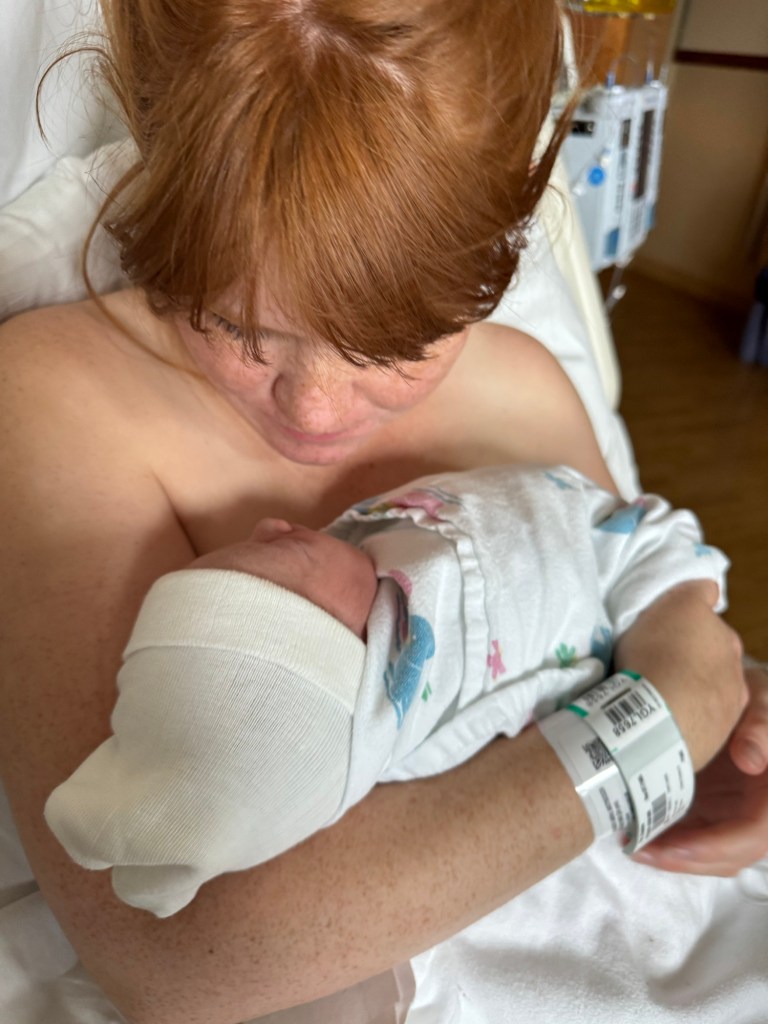
Hello, welcome back to our home, I just had my third son almost five weeks ago, and I wanted to share my experience of his birth, which ended up being a hospital birth. I have some tips that might be handy for anyone in a similar situation. To give you a bit of background, I’ve had two other sons before this one, and both were born at home with a midwife in a water birth setting. Both births went really well with no issues. Before I had my second son, I read a book called “The Bradley Method” or “Natural Childbirth the Bradley Way”.
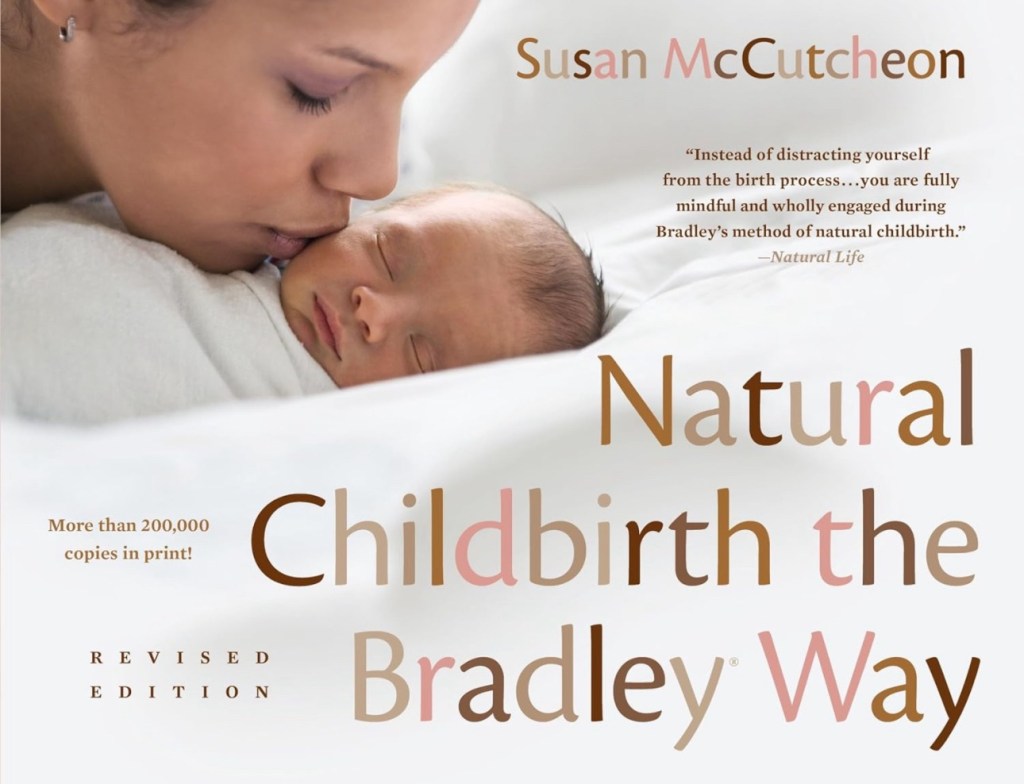
Natural Childbirth the Bradley Way: Revised Edition https://a.co/d/1PgkHeC
This book helped me a lot in understanding how various factors can affect your baby and helped me be clear about my birthing preferences, especially since this pregnancy ended in a hospital birth. It’s also a great resource for your husband or partner to become an effective coach during labor. Although I never got around to reading it to my husband, it usually works out that my mom and the midwife are there to support me, alongside my husband.
I planned for the same kind of birth as before with my midwife. However, things changed when I developed cholestasis. Around 35 or 36 weeks, I started getting really itchy. It was so strange; I woke up in the middle of the night, itching all over. Although it was tolerable and didn’t keep me up at night, I still felt off. I told my midwife, and she had some blood drawn. For some reason, the results took 10 days to come back. When they did, the levels indicated cholestasis, but it wasn’t super serious yet. By then, I was 37 weeks along. My midwife and I decided to wait until at least 38 weeks to see how things progressed since I usually have late babies and my body wasn’t showing signs of being ready for labor. She advised me to get more blood drawn to ensure that my levels hadn’t escalated in those 10 days. I got my blood drawn again, and that night, my midwife called me with urgent news: I had to go to the hospital immediately. Although the cholestasis wasn’t too much worse, my liver enzymes were off the charts. Normally, liver enzymes should be around 50 or lower, but mine were around 1,000. They couldn’t fully explain why it was so extreme, but it was clear my body wasn’t doing well.
At the hospital, they administered a cervix ripening treatment. We stayed overnight, and the next morning around 9 or so, the doctor came in. She said I was only a couple of centimeters dilated, but she was able to break my water, which kick-started my labor. It was amazing that I didn’t need any additional interventions. By 1:30 PM, I had the baby. In the Bradley book, it talks a lot about finding a comfortable position, fully relaxing, and using breathing techniques to manage pain. At the hospital, I was able to do this for a while since they allowed me to move around and choose my positions. However, when I felt the urge to go to the bathroom, the pain intensified. I tried various positions outside the bathroom, but when they checked me, I was only four centimeters dilated. This was discouraging and mentally challenging, so I opted for an epidural. Looking back, I think if I had just gotten back into bed and continued with the relaxation techniques, I might have managed better. But who knows—moving around and trying different positions might have helped progress labor, too. By around 11 or 12, I was four centimeters, and I didn’t realize how quickly my body would transition from there to birth. Despite the discouragement, the epidural worked out great, and I feel blessed that everything went smoothly with no complications. I had the baby around 1:30 PM. He weighed six pounds, nine ounces at thirty-seven weeks. He came out with no issues.
They kept me an extra day to ensure my liver enzymes were decreasing. By the next morning, my levels had dropped to 500, and they made me stay another day to monitor further decreases. By the morning after that, my levels had dropped to 100, which was a huge relief. After the birth, I was still really itchy for a while and even felt numb at times. I started taking natural liver support supplements like milk thistle, but my midwife assured me it would just take time to get back to normal. She was right; within a week or two the itching was completely gone.
Top 10 Tips for Hospital Births:
I want to share my top 10 tips for those who might find themselves in a similar situation. Many of these tips are from the Bradley book, which I highly recommend, especially if you need to be in the hospital. It provides excellent advice on handling labor and birth naturally.
Tip #1: Aim for as natural a birth as possible, the more natural the process, the better it is for both mom and baby. If you can avoid interventions and medications, it can lead to a smoother experience and quicker recovery.
Tip #2: Communicate Your Preferences. If you have specific requests, communicate them clearly to your doctor and nurses. They often ask if you have any preferences, and it’s crucial to voice them. For instance, I wanted immediate skin-to-skin to contact with my baby unless there was an emergency. Holding the baby right away can help regulate the baby’s temperature and promote bonding, and if the mother is not able to do this right away due to complications, then get the dad skin to skin with the baby.
Tip #3: Delayed Cord Clamping. If possible, request that the umbilical cord not be cut immediately. Delaying cord clamping for three to five minutes allows the blood in the cord to flow back into the baby, ensuring they get all the nutrients and blood they need. You can actually see the cord becoming thinner as the blood transfers to the baby. This only takes about 3-5 minutes, and it’s worth the wait. I told my doctor I didn’t want to cut the cord right away, and she agreed. Due to her busy schedule, she ended up coming back later than expected, which ensured that we delayed the cord clamping even longer, which was fine by me.
Tip #4: Ask them to check the placenta is all out. This is probably my own quirky tip, but my friend had a horror story when she had her baby a piece of the placenta was left inside her, and she didn’t notice anything was wrong till about a week later. She had weird bleeding, and she went to her Dr., and she got it out. It had started rotting inside her and smelled terrible so the Dr. said she needed to take antibiotic even while nursing, they said it wouldn’t harm the baby, but it did! The baby stopped pooping, got fevers and a bunch of problems, and my friend ended up with a lot of digestive issues as well. It escalated to a lot of issues all because a piece of the placenta was left. So, when mine came out I was asking the Dr.if it was all there.
Tip #5: Keep baby in sight. Unless it’s an emergency and they need to rush baby off to surgery I would highly recommend keeping baby in sight at all times and if mother can’t for whatever reason, then the dad stays right by the baby. I do think that the nurses and doctors want to do what you want in most cases, but nurses have their routine, they can make mistakes or there might be a shift change. It’s just good to be prudent so you can remind them what you want or don’t want.
Tip #6 No shots! Now everyone can do what they think is best, but it really is crazy that they inject shots into the babies not even an hour after they are born. I would mention that people should do research into what’s in all these shots and then make the decision for themselves. And just because they are medical professionals don’t just take as gospel everything that they say. Doctors also said cigarettes were good for you at one time, and that it’s fine if mothers drink and smoke while pregnant. I have never done shots in any of my kids, and they are all in excellent health.
Tip #7 No vitamin K Shot. The problem is the vitamin K shot has a ton of other additives in it and it says on the bottle that it can have side effects. A really good short documentary on this was “Shot in the Dark” by Candice Owens, you can watch this on YouTube.
Tip #8 No eye drops. I didn’t realize this but the eye drops are just an antibiotic. My friend had three kids and the first two kids received eye drops and the third didn’t get eye drops. The first two babies got really goopy eyes and the third did not. I have never given my babies the eye drops, none of my kids had goopy eyes.
Tip #9 Basically don’t give them anything. So, I do everything except if they are injecting or giving them anything internally. I allow tests for hearing and the heel prick.
Tip #10 Circumcise seven to ten days after birth. The biggest reason they like to do the vitamin K shot is so you can circumcise the boy right away. The blood may not clot effectively at such an early age. If you just wait seven to ten days to circumcise then the blood is normal at that point and there are no problems. We never gave our babies Vitamin K, and they turned out super healthy.
I hope these tips are helpful. Every birth is unique, but being informed and prepared can make a big difference. Thank you for reading, and best wishes for your own birth journey!
Sincerely, Chandee.
 Dandychandee