
Embarking on a culinary journey to incorporate more salmon into our diet, I found myself with a fresh bell pepper on hand and a desire to create a harmonious dish. Turning to ChatGPT for inspiration, I requested a recipe that would seamlessly blend these ingredients. The result was a delightful “Salmon with Bell Peppers and Rice” recipe that perfectly suited my needs.
Revised Recipe:
Serves: 4 | Prep Time: 10 minutes | Cook Time: 25 minutes
Ingredients:
For the Salmon:
• 4 salmon fillets (6–8 oz each)
• 2 tablespoons olive oil
• 1 teaspoon paprika
• ½ teaspoon garlic powder
• Salt and black pepper to taste
For the Vegetables:
• 2 bell peppers (any color), thinly sliced
• 1 medium onion, thinly sliced
• 1 tablespoon olive oil
• ½ teaspoon smoked paprika (optional)
• Salt and black pepper to taste
For the Rice:
• 1½ cups white or brown rice
• 3 cups water (or as per package instructions)
• 1 tablespoon butter or olive oil
• ¼ teaspoon salt
Optional Garnishes:
• Lemon wedges
• Fresh parsley or cilantro, chopped
• Soy sauce for drizzling
Instructions:
1. Cook the Rice:
• Rinse the rice under cold water.
• In a medium saucepan, bring 3 cups of water to a boil. Add the rice, salt, and butter or olive oil.
• Reduce heat to low, cover, and simmer for 15–20 minutes (or according to package instructions) until tender. Fluff with a fork and set aside.
2. Sauté the Vegetables:
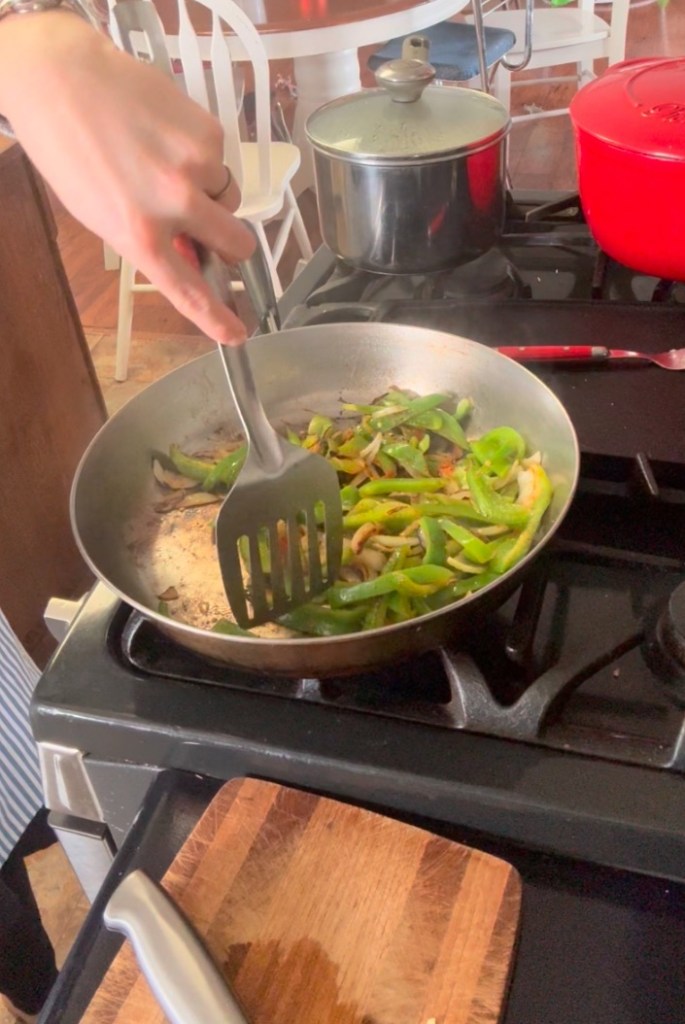
• Heat 1 tablespoon of olive oil in a large skillet over medium heat.
• Add the sliced bell peppers and onion. Season with smoked paprika (if using), salt, and pepper.
• Sauté for 6–8 minutes, stirring occasionally, until softened and slightly caramelized. Remove from skillet and set aside.
3. Cook the Salmon:
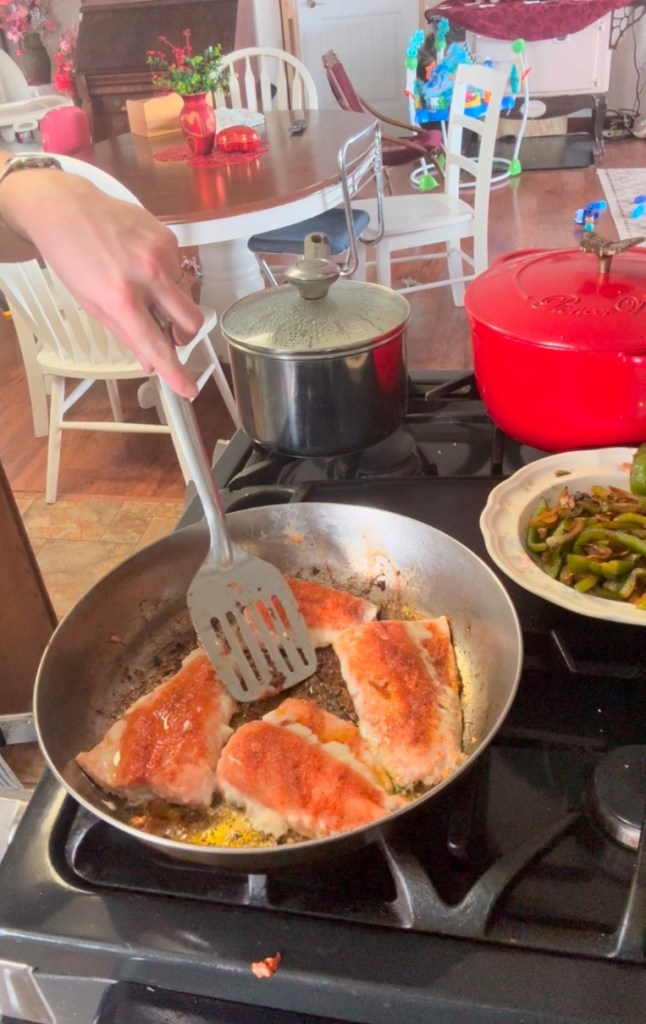
• Pat the salmon fillets dry and season with paprika, garlic powder, salt, and pepper.
• In the same skillet, heat 2 tablespoons of olive oil over medium-high heat.
• Place the salmon skin-side down (if it has skin) and cook for 4–5 minutes, then flip and cook for another 3–4 minutes until cooked through. The salmon should flake easily with a fork.
4. Assemble the Dish:
• Divide the cooked rice evenly among 4 plates.
• Top each plate with sautéed vegetables and the salmon.
• Garnish with lemon wedges and fresh parsley or cilantro, if desired.
• Drizzle with soy sauce to taste, if preferred.
Personal Touches:
While the original recipe was delightful, I decided to add my own twist to enhance its flavors. I included a thinly sliced onion, sautéing it alongside the bell peppers. This addition introduced a subtle sweetness and depth to the dish. For serving, I drizzled a touch of soy sauce over the assembled dish mainly cause it was a little bit on the dry side, adding a savory umami note that complemented the salmon beautifully. These modifications are optional but highly recommended for those seeking a richer flavor profile.
Reflection:
Utilizing ChatGPT to generate this recipe was a seamless and rewarding experience. It provided a solid foundation upon which I could build and personalize, resulting in a meal that was both satisfying and tailored to my preferences. This collaboration between human creativity and artificial intelligence opens new avenues for culinary exploration, making meal planning both efficient and enjoyable.
For those interested in leveraging AI tools for culinary inspiration, I recommend exploring ChatGPT’s capabilities. It’s a valuable resource for generating recipe ideas, especially when working with specific ingredients or dietary goals. Embracing this technology can transform the way we approach cooking, making it more accessible and innovative.
—-Chandee
 Dandychandee